Corporation S CorpThe books follow the acceptance
Equity, wages, and draws get separate homes once the papers say what the year is.
Start with equity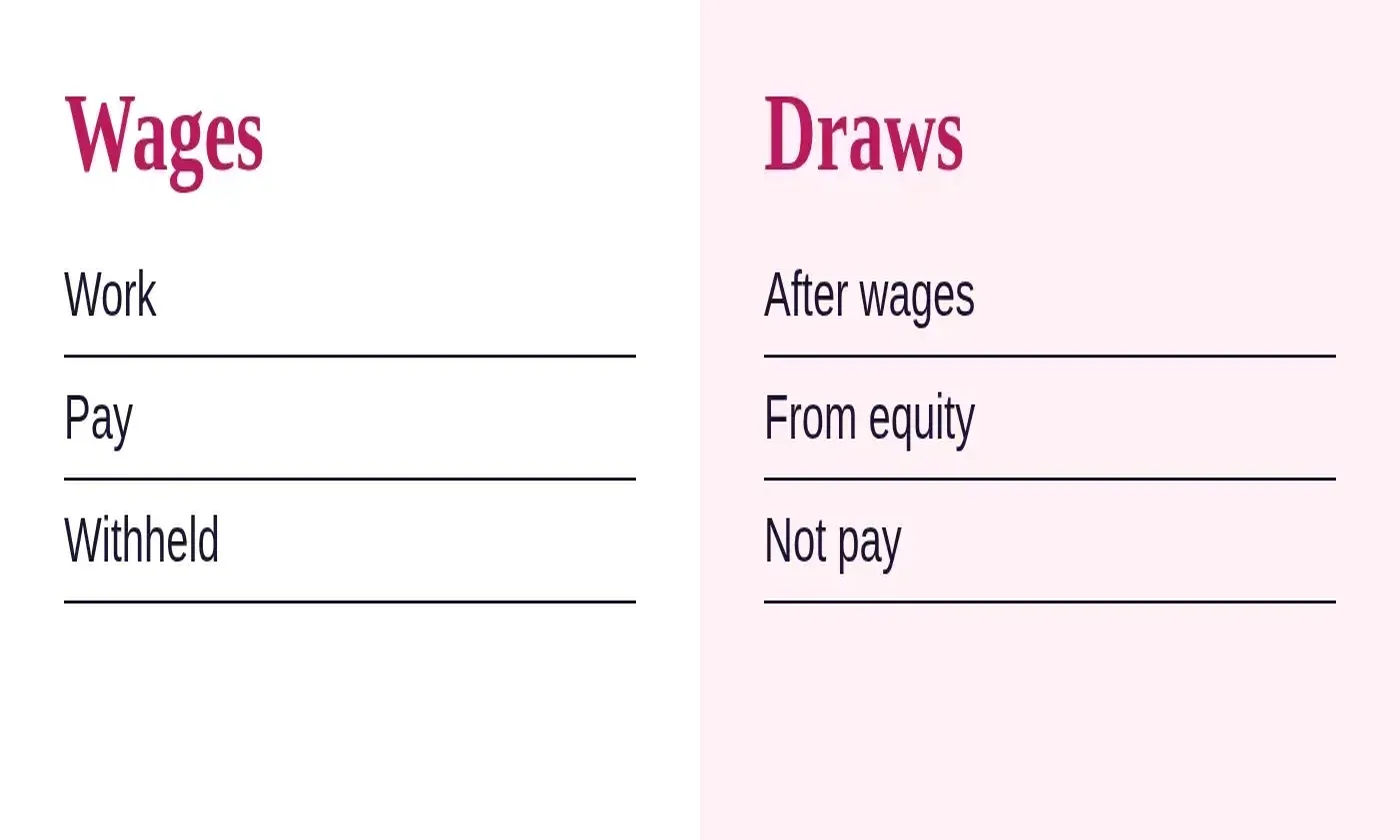
Equity, wages, and draws get separate homes once the papers say what the year is.
Start with equityStock or membership is ownership. A wage is pay for work done by someone who also owns. A distribution or a draw is money leaving after that. Software will let you park all three in one account named owner. The return will not forgive the parking.
After the status is known we split the account. A C year keeps earnings in the company and treats owner pay as payroll. An S year, once accepted, needs wages first for shareholder employees and distributions second, with basis moving beside them. An LLC with no election follows the default that matches the number of owners, not the nickname in the menu.
We do this with your numbers inside an engagement. A public page does not show a client's basis, and we are not printing a sample row you could mistake for yours.
Status first, then the open months. We do not prepare a return on a year that never closed. Bank reconciliations, credit card reconciliations, and a payroll reconciliation against the provider's reports are the ordinary gate. If the provider's reports and the books disagree, the books wait.
Financial statements after that close are management reports for the owner. Signed assurance of any kind sits outside this practice. When a third party wants that signature, we say so early and the work goes to a firm that can give it. The occupations sections that draw that line are quoted on the disclosures page, in the section named for the stop.
A short monthly note is part of the close. What changed in cash, what is stuck in receivables, which equity line moved. The note is how an owner sees the company without learning our account codes.
When the acceptance is real and people work in the company, we help you tell the provider the status and the wage plan. The provider calculates the wage, files the payroll returns, and pays people. We do not run payday. If you do not have a provider, the first step is choosing one you will actually operate, not asking us to become one.
Reasonable wage is a judgment about the work, the market for that work, and the company's ability to pay. We will talk about the judgment. We will not publish a formula that spits out a number for strangers. The qualified business income wage limit is another reason the judgment matters, and we keep that talk qualitative.
If the acceptance is missing, this whole section waits. Setting up S wages on a C company, or on an LLC that never elected, creates a second mess on top of the status mess.
The federal return reads the books, with its own adjustments. It does not read the dropdown. Form 1120-S, once the acceptance is real, wants wages, distributions, and basis to tell one story. Form 1120, when the company is still a C, wants earnings kept in the company and owner pay treated as payroll. The form follows the paper, not the nickname.
An accepted election changes which federal form you file. It does not let a single member LLC or a series LLC skip the return that the papers support. Owners who moved from a state that taxed them personally sometimes think a quiet personal draft means the company year is finished. The federal return is the piece that remains until the months are closed and the status is the one we can defend.
The federal return and the monthly close should both start from one closed set of months. A second ledger built only for a draft form is how those two filings drift apart.
After a long day the kitchen table collects everything in one pile, and that pile is how equity, wages, and draws get mixed. Once the acceptance is real, those three need their own lines. We stop letting them share one account named owner.